
Our Mission
Discover
Unraveling the secrets of Golgi glyco-oncogenes to pioneer a new class of innovative anticancer therapies.
Golgenia is a startup based on extensive know-how from work done by Prof. Alberto Luini in the field of Golgi-based glycan biosynthesis (or glycosylation). This relatively unexplored territory is being exploited with the aim to generate new therapeutic approaches for cancer.
Golgenia has identified a number of Golgi-based proteins that cause tumors, termed glyco-oncogenes, by inducing errors and imbalances in the glycosylation process. The company is actively developing small chemical molecules against these glyco-oncogenes which have the potential to overcome resistance to current cancer therapies.
To discover and develop patient-centric novel treatments for tumors, including those that are non-responsive to current therapies.
To discover, characterize and manage Golgi glyco-oncogenes as a means to impede the production of aberrant glycans involved in tumorigenesis.
A number of glyco-oncogenes have been identified and partially characterized. A first series of inhibitors directed against a specific glyco-oncogene cluster, acting on glycosphingolipid biosynthesis, effectively inhibit cancer growth in cell lines, spheroids, patient-derived organoids as well as in vivo models.
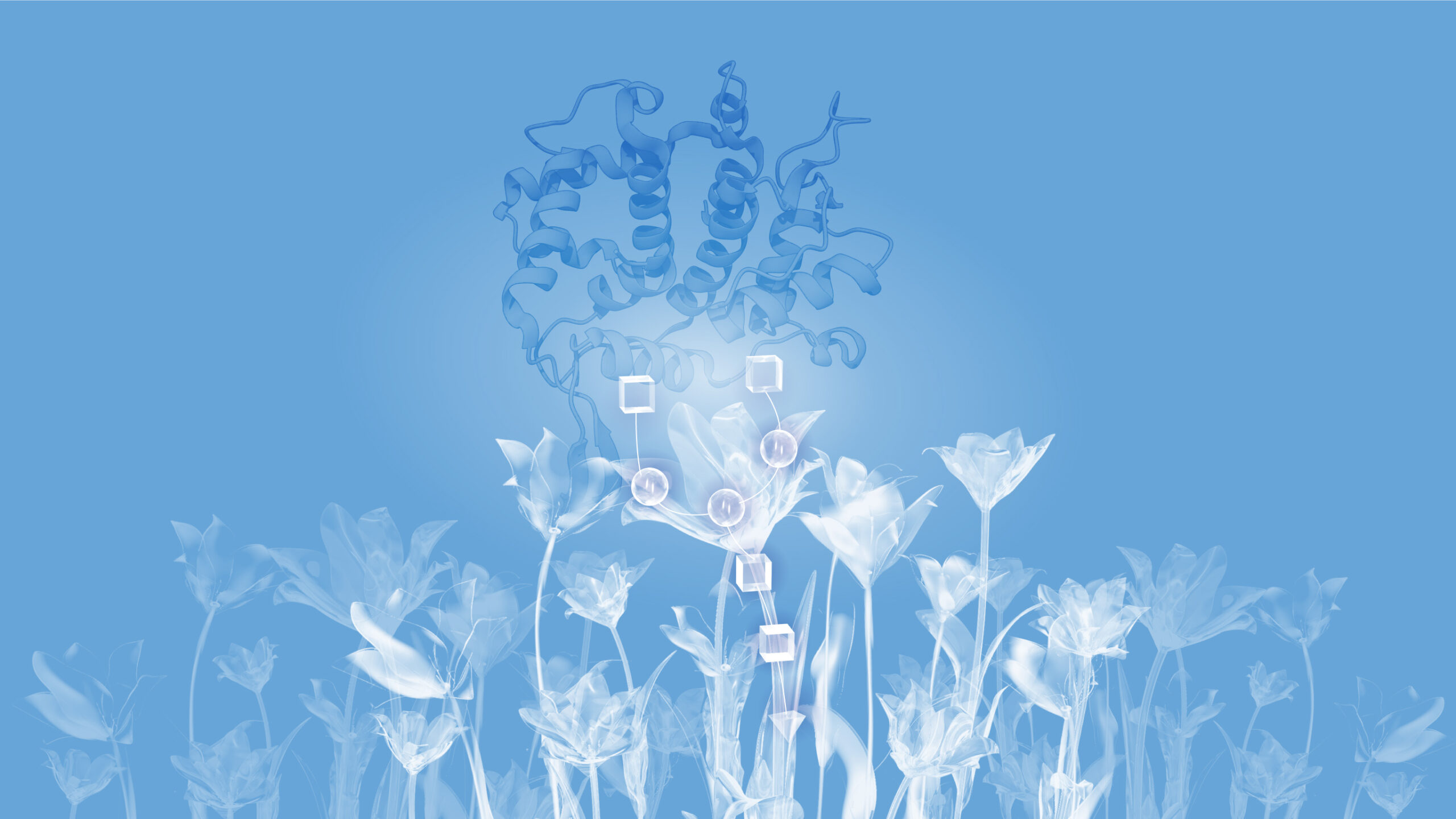
Glycans are abundant sugar polymers acting in a myriad of cellular functions and pathological conditions. They are synthesized mostly in the Golgi complex (an organelle called the “cellular glycosylation factory”) by hundreds of enzymes and accessory molecules that control glycan synthesis, or glycosylation, on both lipids and proteins. The glyco-oncogenes are a group of Golgi-based proteins uncovered by Golgenia that act by perturbing glycosylation, causing the formation of aberrant glycans, which then lead to tumour development.
Current therapeutic approaches in glyco-biology target the aberrant tumorigenic glycans produced by the glyco-oncogenes, rather than the glyco-oncogenes themselves. Driven by the proven efficacy of drugs that inhibit oncogenes in anticancer therapy, Golgenia and collaborators have leveraged their knowledge of Golgi glycosylation to develop direct inhibitors of the glyco-oncogenes. Golgenia's first drugs target glyco-oncogenes that alter glycan synthesis on lipid scaffolds. These new drugs open up new therapeutic possibilities for a large number of cancer patients.
Connect with us and discover how our research on Golgi glyco-oncogenes is shaping the future of cancer treatment.
Contact us